








Buying a heat pump in New Westminster
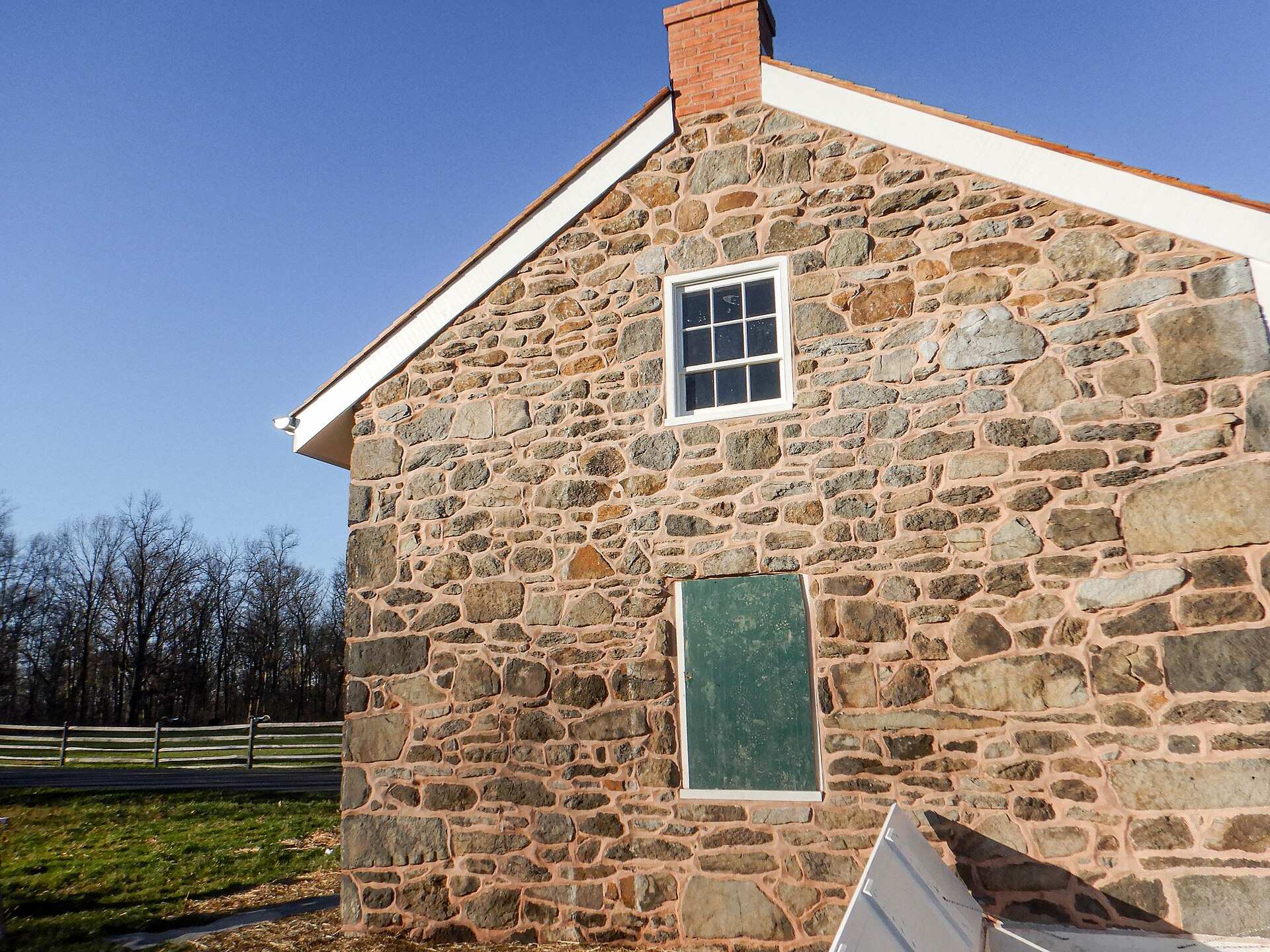
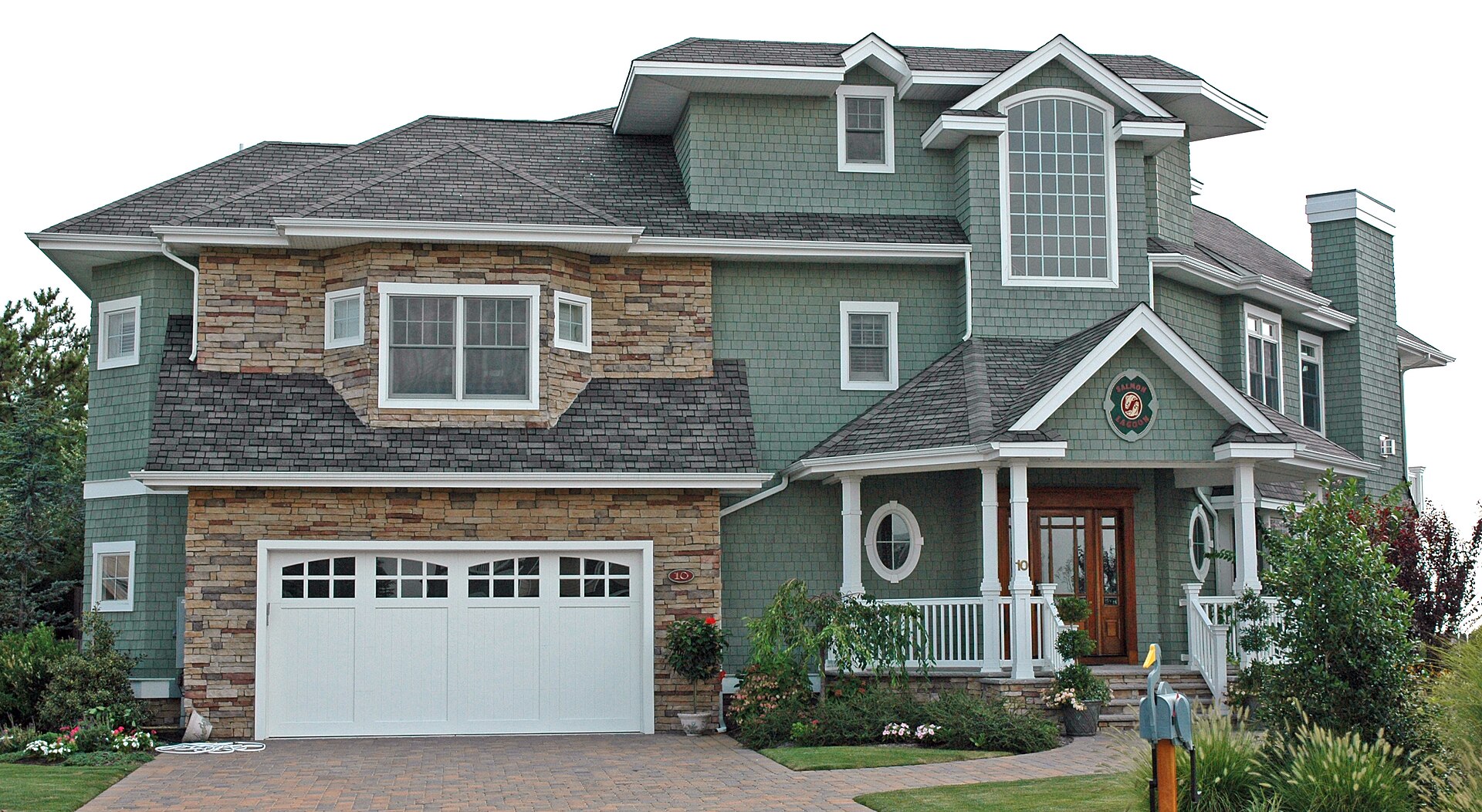
New Westminster, population about 78,916, is British Columbia's oldest city and one of its densest: Victorian-era houses on some of the smallest lots in Metro Vancouver, apartment towers downtown and around Victoria Hill and the Brewery District, and the newer subdivisions of Queensborough on the Fraser river flats. The housing stock runs from 1890s heritage homes in Queen's Park and Glenbrooke, through postwar splits on the Brow of the Hill, to strata towers where heating is a building system, not a personal one. Heat sources are just as mixed — aging gas furnaces, electric baseboard in the older frame houses and rentals, and hydronic loops in the condos. One local twist: electricity comes from the [City's own electric utility](https://www.newwestcity.ca/services/electrical-utility), so your power bill is from the City of New Westminster, not BC Hydro, and service questions go to the City.
Permits and bylaw rules
New Westminster runs its own plumbing and hydronic permit process. The [plumbing permit guide](https://www.newwestcity.ca/plumbing-permits/plumbing-permit-guide) sets the rules: a contractor applying must hold a Plumbing Trade Qualification and a current City of New Westminster business licence, permit applications take a minimum of 48 hours to process, and the permit is emailed when accepted. A homeowner *can* pull their own permit with proof of ownership — but the cleaner route is having your installer take the permit in their name, since they carry the liability and book the inspections. If your system moves heat through water — an air-to-water heat pump or radiant floors — the separate [hydronic heating permit guide](https://www.newwestcity.ca/plumbing-permits/hydronic-heating-guide) adds staged inspections, including in-slab piping inspected before any pour and a final inspection with the heating-system certification on site. Electrical and gas permits run through [Technical Safety BC's heat pump permits page](https://www.technicalsafetybc.ca/apply-for/permits/heat-pumps), as in most of the province. And if the house sits in the [Queen's Park Heritage Conservation Area](https://www.newwestcity.ca/heritage/queens-park-heritage-conservation-area), exterior changes to protected pre-1940 homes go through heritage review — settle the outdoor-unit location against that rule before signing, not after.
Lots, soil and climate
The classic New Westminster lot is narrow and deep with a house close to both side property lines, so legal, serviceable outdoor-unit placement is a genuine design problem here — sometimes the answer is a wall bracket over a side passage or a pad in a tiny back yard with line-set runs through century-old framing. Queensborough is different country: Fraser-delta soils, a high water table and land behind dikes, which makes pad height, drainage and condensate routing real questions, not fine print. The climate is coastal — mild, very wet winters with few hard freezes — so a standard cold-rated unit carries the load, but the 2021 heat dome made summer cooling half the value of the purchase, and wildfire-smoke weeks argue for filtration or an HRV add-on. In the pre-1950 housing stock, expect the two classic surprises: no ductwork at all (ductless multi-splits are the default answer) and undersized electrical services that need an upgrade clause in the quote.
The season
Installers are busiest May through September, when cooling demand and renovation season stack up, with a second rush in September and October ahead of heating season. Spring and fall are the best windows for assessments and firm install dates. Downtown and Brow of the Hill retrofits run all winter, but exterior refrigerant work in a wet January is slower — a quote booked in late winter for a spring date usually gets better attention than one booked in a July queue.
What drives the price and what to ask
Quotes swing on ductless versus ducted, the number of indoor heads, electrical service upgrades in baseboard houses, line-set routing through finished older homes, and whether old equipment removal and disposal is included. Heat pumps and their installation are [PST-exempt in BC](https://www2.gov.bc.ca/gov/content/taxes/sales-taxes/pst/exemptions/exemptions-documentation); provincial rebates depend on your current fuel, home type and household income — [run your own numbers](https://betterhomesbc.ca/find-rebates/), and check [BC Hydro's heat pump rebates](https://www.bchydro.com/powersmart/residential/rebates-programs/heat-pumps.html) which have applied to electrically heated homes in the city.
Ask each New Westminster heat pump installer:
- Who pulls which permit — the City's plumbing or hydronic permit, and the Technical Safety BC electrical and gas permits — and who books the final inspection?
- Where can the outdoor unit legally and practically sit on my lot, and how long is the line-set run through the existing structure?
- Did you size this from a room-by-room heat load calculation, or from floor area?
- If my electrical service is 60 or 100 amps, is the upgrade in the quote, and who files it with the City's electric utility?
- For a pre-1940 house in Queen's Park, does the proposed unit placement need heritage review?
- Is old equipment — furnace, baseboard, or an abandoned oil tank — removed and disposed of in the quote?
- Is the quoted model rebate-eligible, and do you file the paperwork?
- What does the written warranty cover, and who answers a no-heat call on a wet January night?