














Buying a heat pump in Prince George
Prince George, population about 76,708, is the service hub of northern BC, and a heat pump here is a different purchase than on the coast. January daily means sit near -8°C with overnight lows around -12°C, and most winters deliver cold snaps well below -30°C — so a properly rated cold-climate unit and a real backup-heat plan are the baseline conversation, not an upsell. The housing stock leans postwar bungalow and 1970s–80s two-storey on flat, generous lots, with a large share of electric baseboard heat, gas furnaces where the gas system runs, and older oil or propane setups on the rural fringe. Electricity is BC Hydro; natural gas is [FortisBC](https://www.fortisbc.com/about-us/corporate-information/our-service-areas), so FortisBC's gas-customer rebates, including its [dual-fuel heat pump rebate](https://www.fortisbc.com/rebates/detail/dual-fuel-heating-system-rebate), can apply here. Summer brings hot, dry days and, in smoke years, weeks of wildfire haze that make filtration part of the buying decision.
Permits and bylaw rules
The City's [building permits page](https://www.princegeorge.ca/business-development/building-permits) sets the local bar: permits are required for renovations, repairs and additions to an existing building, and the exemption for minor repairs covers only work that does not affect any structural or mechanical/plumbing work. A heating-system change is mechanical work, so plan on a permit and inspection, and confirm with Development Services (250-561-7611). Altering piping triggers a plumbing permit on the same page. Electrical permits for the heat pump circuit, and gas permits if a furnace is being altered or removed, run through [Technical Safety BC's heat pump permits page](https://www.technicalsafetybc.ca/apply-for/permits/heat-pumps) — in most cases that means a licensed electrical contractor and a permit before the work. Prince George also sits in a region where ice jams have flooded low-lying land near the rivers in past winters; if your lot is on flat ground near the Nechako or Fraser, ask about equipment elevation before the pad is poured, not after.
Lots, soil and climate
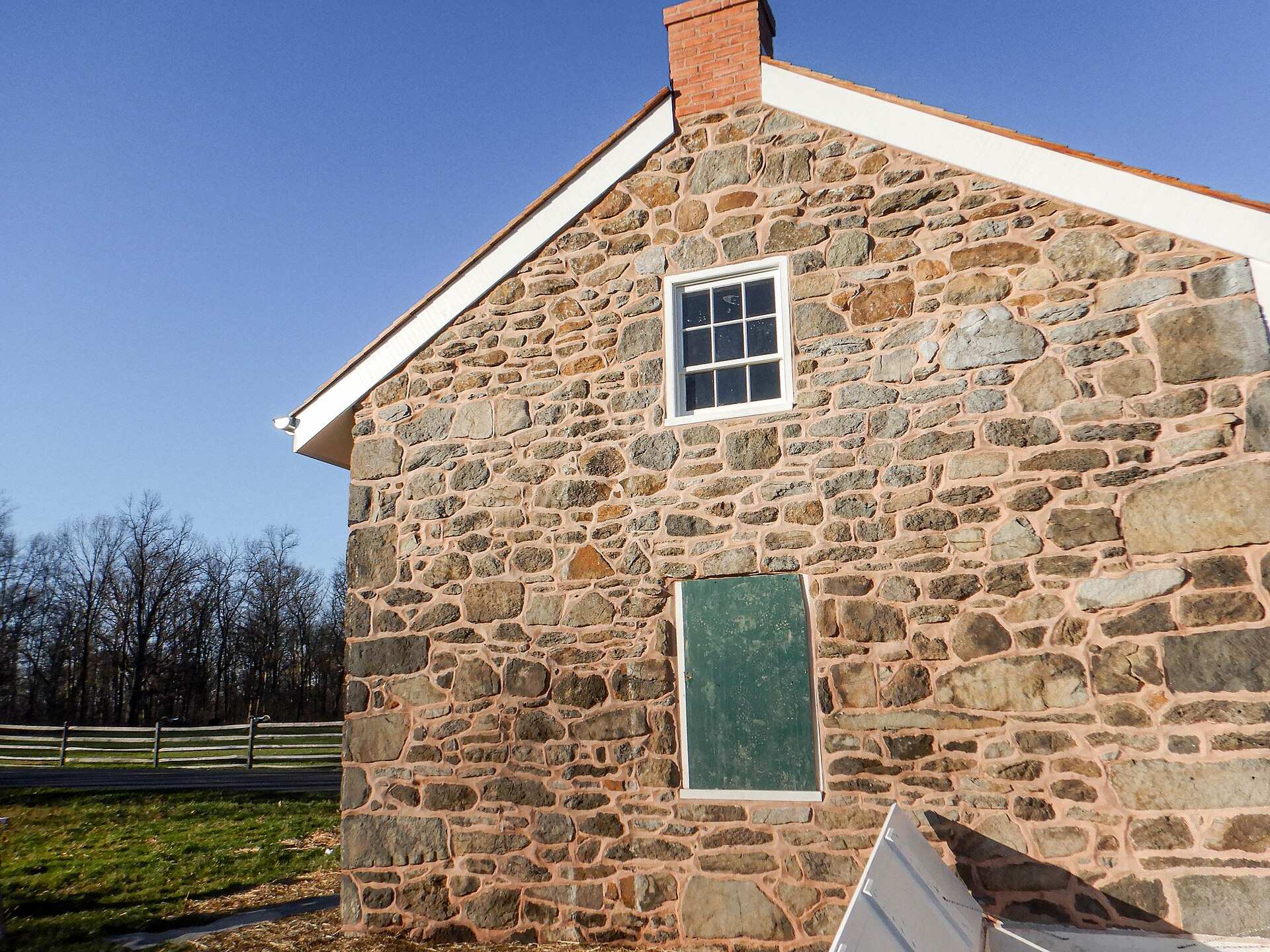
Compared to the Lower Mainland, lots are big, flat and open — outdoor-unit placement and service clearances are rarely the puzzle they are in Vancouver-era side yards. What replaces that puzzle is winter: deep frost, snow that piles around outdoor units, and clay-heavy soils that shift with freeze and thaw, so pads, anchoring and snow-shedding clearances belong in the written scope. The cold itself is the main design input — a unit rated to keep delivering heat at -25°C and below, sized from an actual heat load calculation, with electric resistance backup or a kept furnace for the deepest snaps. In smoke season, a good filter rack or an ERV earns its cost. Older bungalows with baseboard heat usually have no ducts and modest electrical services, so panel or service upgrades are a common — and commonly unquoted — line item.
The season
The practical install season is shorter than down south: crews book hardest May through September, and exterior refrigerant work in a -25°C January is something good installers schedule around rather than into. Late winter is the right time to collect quotes and lock a spring date; a September–October rush before heating season is the other squeeze. For anyone heating with baseboard, doing the assessment before the deep cold also means the load calculation reflects real winter conditions.
What drives the price and what to ask
Quotes swing on cold-climate rating tier, single-head versus multi-split, the backup-heat strategy (electric elements versus keeping the gas furnace), service upgrades in baseboard houses, and line-set length across those big lots. Heat pumps and their installation are [PST-exempt in BC](https://www2.gov.bc.ca/gov/content/taxes/sales-taxes/pst/exemptions/exemptions-documentation); rebates here flow through [BC Hydro](https://www.bchydro.com/powersmart/residential/rebates-programs/heat-pumps.html) and the province's [CleanBC programs](https://betterhomesbc.ca/find-rebates/) depending on your current fuel and household income; some Better Homes rebates are open only to homes in the north. If you heat with gas, ask whether [FortisBC's dual-fuel rebate](https://www.fortisbc.com/rebates/detail/dual-fuel-heating-system-rebate) fits your plan.
Ask each Prince George heat pump installer:
- Is the quoted unit rated to deliver meaningful heat at -25°C and below, and what is the backup-heat plan for the coldest nights?
- Did you size this from a room-by-room heat load calculation, or from floor area?
- Who pulls the City of Prince George building or plumbing permit, and the Technical Safety BC electrical and gas permits?
- How is the outdoor unit set — pad on clay soils, anchoring, snow-shedding and service clearances — and where does condensate drain before it freezes?
- If I heat with baseboard, is the panel or service upgrade in the written quote?
- Is old equipment removal — furnace, tank, baseboard — included, and how is an abandoned oil tank handled?
- Is the quoted model eligible for BC Hydro and CleanBC rebates, and do you file the paperwork?
- What does the written warranty cover, and who answers a no-heat call at -30°C?